
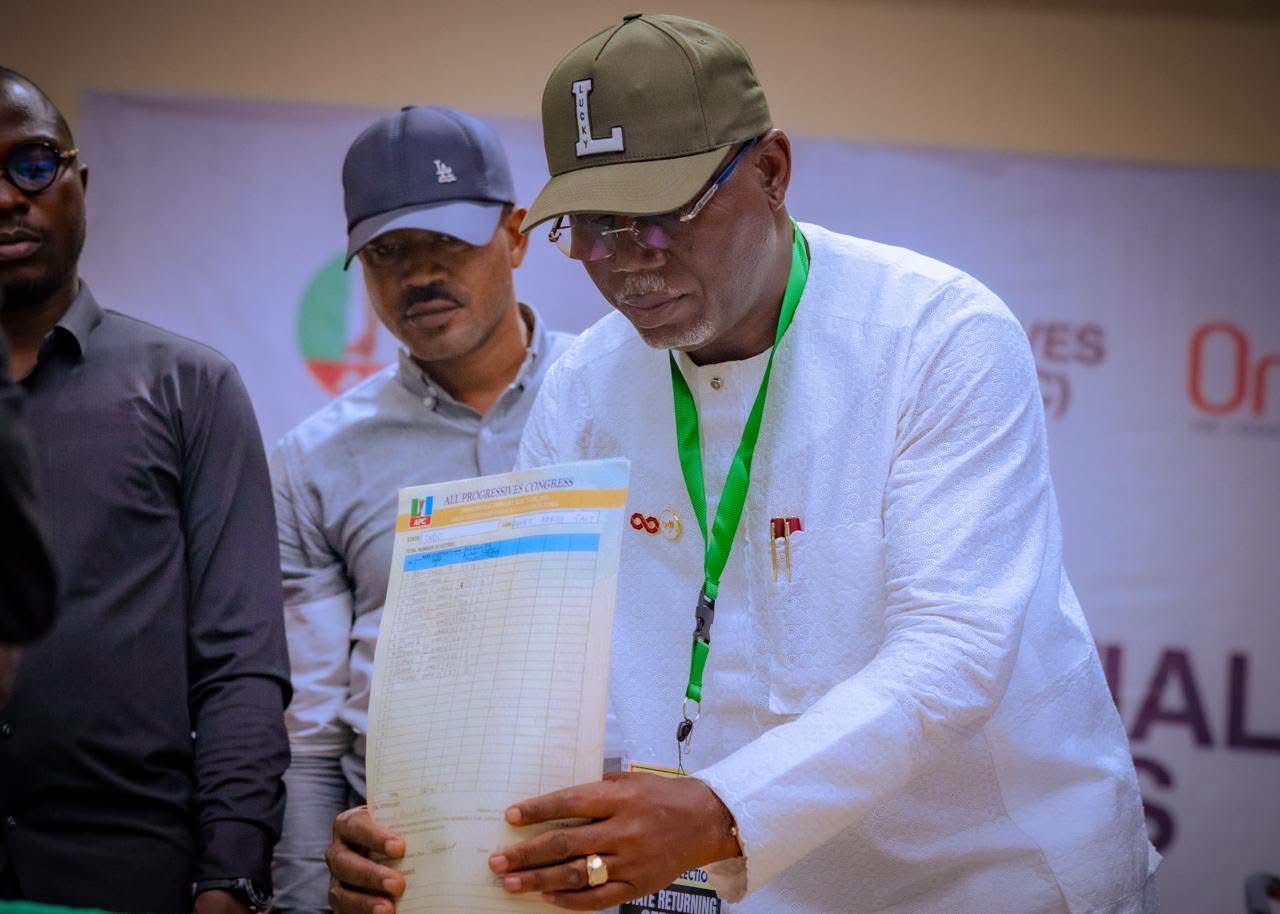
The Ondo State Government has increased the 2026 budget from N524.411 billion to N769.384 billion, with the additional funds targeted at accelerating road construction and other critical infrastructure across the state.
The Commissioner for Budget and Economic Planning, Mr Olaolu Akindolire, who disclosed this at the State Executive Council meeting, explained that the budget review was driven by the administration’s determination to intensify infrastructure development.
According to him, the revised appropriation followed a mid-year assessment of the 2026 budget, which was signed into law by Governor Lucky Aiyedatiwa on December 29, 2025, and came into effect on January 1, 2026.
He said the revised budget, which has been forwarded to the Ondo State House of Assembly for ratification, was necessary to realign spending priorities, bridge funding gaps and improve implementation during the remaining months of the year.
Akindolire explained that the first- and second-quarter budget implementation reviews revealed varying levels of performance among Ministries, Departments and Agencies (MDAs), with some recording increased financial demands and nearing their approved provisions, while others experienced slower utilisation due to implementation challenges.
He, however, said the government had resolved to deploy additional resources to areas requiring urgent intervention, particularly infrastructure.
As part of the renewed infrastructure drive, Governor Aiyedatiwa has directed that at least five kilometres of roads be constructed in each of the state’s 18 local government areas before the end of 2026, translating to a minimum of 90 kilometres of new roads across the state.
The commissioner said the road projects were designed to improve connectivity, facilitate the movement of agricultural produce, connect communities to markets, schools and healthcare facilities, and stimulate economic activities across both urban and rural areas.
“Water and healthcare have also received additional funding, with anticipated development financing expected to support projects aimed at improving access to reliable potable water, while the healthcare allocation is expected to strengthen service delivery and respond to emerging needs,” Akindolire stated.